
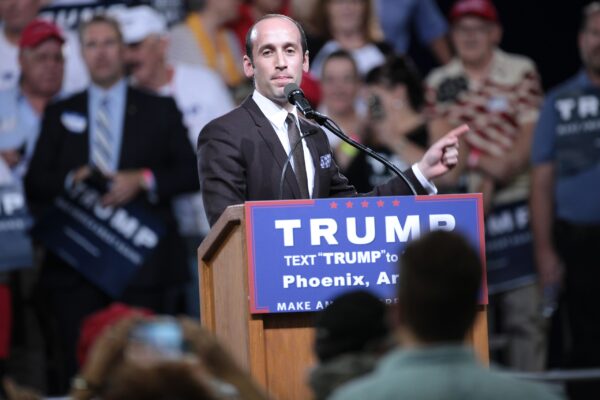
A recent report suggests that Stephen Miller, reportedly once seen as a dominant force shaping policy in President Donald Trump’s second term, may no longer wield the same level of influence inside the White House.
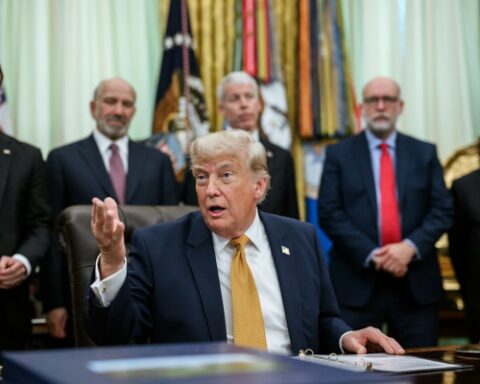
According to reporting from Michael Scherer and Nick Miroff of The Atlantic, the president has recently acknowledged in conversations with others that Miller can, at times, push policies too far. This apparent recalibration comes as the administration responds to evolving circumstances, including a high-profile incident in Minneapolis involving the death of protester Alex Pretti.
In the aftermath of that second killing, Trump reportedly recognized a need to shift course, while Miller took a harder line, referring to Pretti as a “domestic terrorist.” The divergence highlighted a broader tension in approach, even if not an outright clash, between Miller and other key figures shaping policy.
In recent months, the president has stepped back from several initiatives closely associated with Miller. One notable example includes a proposed plan to cut seasonal worker visas by 50 percent. After consulting with border czar Tom Homan, Trump chose not to move forward with the measure, signaling a willingness to consider alternative perspectives within his team.
That shift in influence has not gone unnoticed inside the administration. One senior official told reporters that the new leadership dynamic places greater emphasis on voices like Homan and Rodney Scott before turning to Miller. A former official underscored the president’s independence, stating simply that Trump “knows who he is, period.”
To be sure, there are no public reports of open conflict between Miller and Homan. In fact, Homan has praised Miller as “one of the most brilliant people” he has encountered. Still, their approaches differ in meaningful ways. Miller has consistently emphasized the scale of enforcement efforts, particularly in the administration’s mass-deportation campaign. Homan, by contrast, has advocated a more targeted strategy focused on individuals with criminal records.
For now, Homan’s philosophy appears to be winning out. The Department of Homeland Security has quietly rolled back certain changes initially pushed by Miller, including a controversial effort to accelerate training for new ICE recruits. The shortened eight-week training program raised concerns among experienced officers and coincided with high dropout rates. In response, the agency has reinstated a more traditional four-and-a-half-month training schedule.
Even with these adjustments, insiders caution against overstating Miller’s diminished role. Sources close to the White House maintain that he remains a top adviser with a uniquely close relationship to the president—one built over more than a decade—and insist his position is secure.
At the height of his influence, Miller’s reach extended deep into the administration. A March report from The New York Times described him as effectively setting the agenda within the Department of Justice, despite not being a lawyer.
The current moment, then, reflects less a political downfall than a shift in emphasis—one that suggests even in an administration known for strong personalities, competing visions can shape policy outcomes. And as those debates continue, the balance between hardline enforcement and more measured approaches remains a defining question, particularly when the stakes involve not just policy, but the broader human consequences that follow.