
Comedian and political commentator Bill Maher took aim at a troubling moment during his HBO show, criticizing members of his own audience after laughter broke out at the mention of President Donald Trump being killed.
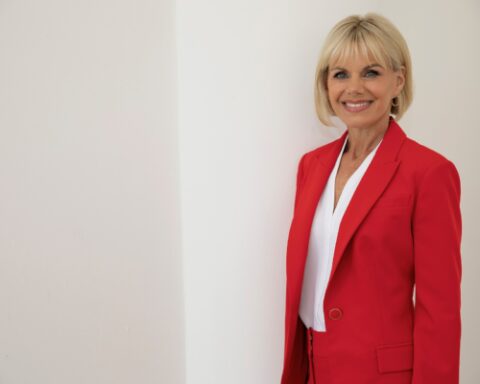
The exchange came during Friday night’s episode of Real Time with Bill Maher, where Maher hosted a panel featuring Gavin Newsom, Bret Stephens, and Gillian Tett. The discussion turned serious as Maher addressed the recent violence surrounding the White House Correspondents’ Dinner, using the moment to reflect on what he described as a disturbing cultural reaction to political conflict.
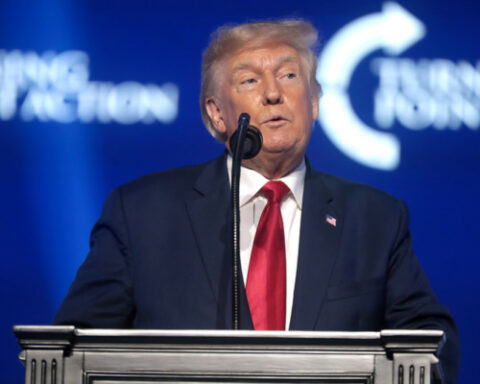
Maher opened the segment by saying he wanted to get “the ugly news about the political violence out of the way,” before delivering a blunt observation. He suggested that there are people in the country who were disappointed that Trump was not killed during the incident—a remark that prompted laughter from parts of the audience.
Rather than brushing it off, Maher immediately rebuked the reaction. Pointing directly to the crowd, he said those who found humor in the idea were “not a good person,” adding that while they might also lack judgment, the moral failing was the more pressing concern. His tone made clear that, despite his often sharp criticism of Trump, joking about violence crossed a line.
The moment stood out not just for its tension, but for what it revealed about the current political climate. Even in a setting known for satire and partisan jabs, Maher appeared to draw a firm boundary when it came to political violence, signaling that some rhetoric—no matter the target—should not be normalized.
The conversation continued with Maher referencing an interview involving Illinois Governor JB Pritzker, who described the ideal future president as someone “good, decent, and kind.” Maher acknowledged that such qualities are broadly agreeable and conceded that Trump has often fallen short of that standard. Still, he pushed back against extreme comparisons, stating plainly that Trump is “not Hitler.”
That remark underscored a broader theme running through the segment: the danger of overheated political language and the way it can blur moral clarity. In an era where partisan divides often lead to increasingly harsh characterizations, Maher’s comments suggested that even critics of Trump should be cautious about crossing into dehumanizing territory.
While the panel itself included a range of perspectives, the most striking takeaway came from Maher’s insistence that reactions to violence matter just as much as the acts themselves. In a country already grappling with political tensions, moments like these highlight how easily discourse can slip into something darker.
The episode ultimately served as a reminder that, regardless of political affiliation, there remains a shared responsibility to reject violence outright. In a media environment often driven by outrage and spectacle, Maher’s rebuke cut against the grain—offering a rare moment of reflection on where the line should be drawn.
As the nation continues to navigate political disagreements, the incident underscores a simple but often overlooked point: cheering harm, even in jest, carries consequences for the broader culture.