
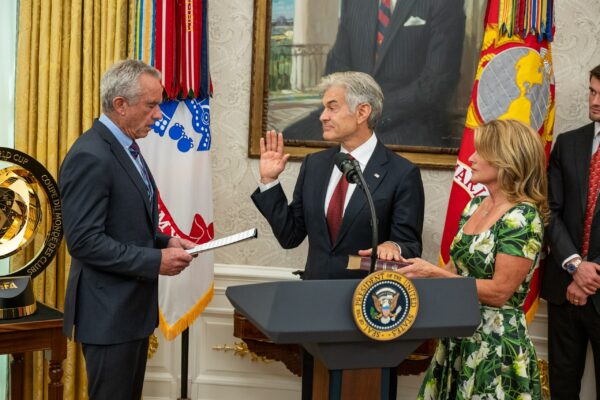
Centers for Medicare and Medicaid Services (CMS) Administrator Dr. Mehmet Oz is urging senators to oppose an amendment that would allow a federal ban on most hemp-derived products to take effect sooner, arguing the change could limit access for seniors and Americans with disabilities who participate in a Medicare pilot program.
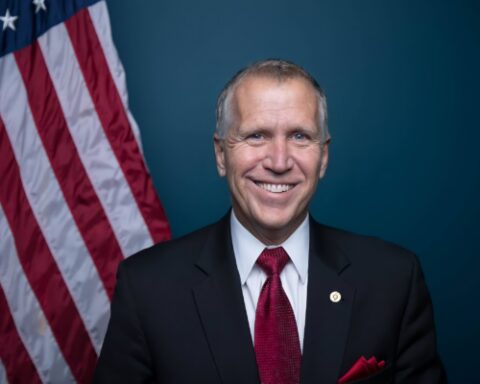
In a letter sent Friday, Oz expressed what he described as “grave concerns” over an amendment introduced by Sen. Ted Budd, R-N.C. The proposal would remove a one-month delay included in a government funding bill, allowing restrictions on most hemp-derived products to take effect in November instead of December.
According to Oz, approving the amendment would reverse progress made in expanding access to clinically appropriate full-spectrum hemp-derived CBD through select Medicare programs.
“Passage of this amendment would undo significant gains that have been made to make clinically-appropriate full-spectrum hemp-derived CBD accessible to the senior citizens and individuals with disabilities that rely on the Medicare program for their healthcare,” Oz wrote.
Earlier this year, the Trump administration launched a pilot program permitting Medicare providers participating in select initiatives to offer eligible hemp products to qualifying beneficiaries. Under the program, participating organizations may provide up to $500 worth of hemp products annually to eligible individuals.
Medicare itself does not reimburse providers for those products. Instead, organizations that choose to participate in the program are responsible for covering the associated costs.
The administration has highlighted the availability of full-spectrum CBD through the initiative. Full-spectrum CBD contains all of the naturally occurring compounds found in the cannabis plant, including trace amounts of THC that are not sufficient to produce a psychoactive effect.
The pilot program, however, extends beyond full-spectrum CBD alone. It covers hemp-derived products containing no more than 0.3 percent delta-9 THC by total weight, matching the definition of hemp established in the 2018 farm bill. CMS has also indicated that it would revise the program’s requirements if federal hemp laws are changed.
Oz warned lawmakers that eliminating the delay would have consequences for those participating in the new initiative.
In his letter, he said passage of the amendment would “rip away from millions of seniors and disabled Americans the opportunity to benefit from these new programs.”
The government funding bill currently under consideration would postpone restrictions on intoxicating hemp products enacted last year until December. However, cannabinoids that cannot naturally be produced by the cannabis plant would still lose their federal hemp status on Nov. 12 under the legislation.
Representatives of the hemp industry have argued that the additional month would provide more time to work with lawmakers and advocate for stronger regulation rather than an outright prohibition on hemp-derived products.
The delay provision was included in the spending bill at the request of the White House and has received bipartisan support. Budd’s amendment would remove that delay and allow the broader restrictions to take effect earlier.
Budd and the other senators backing the amendment have slowed consideration of the spending legislation while seeking a vote on the proposal. The amendment currently has 13 co-sponsors.
Supporters of the amendment say their goal is to protect children from illicit products that are intentionally marketed to young people. According to the senators, some products labeled as hemp contain extremely high levels of synthetic THC, the psychoactive compound associated with marijuana.
Oz emphasized that the Trump administration shares those concerns and remains committed to preventing dangerous products from reaching consumers.
“You each have my commitment to continue to work with you on meeting our shared goals of ensuring patient access and protection of the public health,” he wrote.