
Tensions between the United States and Iran escalated again Monday after Tehran accused the Trump administration of violating a ceasefire agreement and announced plans to halt communications with Washington through intermediaries while moving to close the strategically vital Strait of Hormuz.
According to Iran’s state-affiliated Tasnim News Agency, Iranian officials argue that recent Israeli military actions in Lebanon have undermined the ceasefire framework that had been established between Iran and the United States. The report, translated from a message posted on Telegram, stated that an Israeli ceasefire in Lebanon is considered a prerequisite for the broader truce and claimed that the agreement “has now been violated on all fronts.”
Iranian Foreign Minister Abbas Araghchi reinforced that position in a post on X, arguing that Lebanon is included within the ceasefire arrangement and warning that violations in one theater should be viewed as violations across the entire agreement.
“The United States and Israel bear responsibility for the consequences of any breach of the truce,” the statement said.
The dispute comes amid renewed fighting in Lebanon. Israel announced Sunday that it had captured Beaufort Castle, a centuries-old fortress north of the Litani River that holds both strategic military importance and symbolic significance due to Israel’s presence in southern Lebanon between 1982 and 2000.
On Monday, Israeli Prime Minister Benjamin Netanyahu ordered attacks on Hezbollah-controlled neighborhoods in southern Beirut, adding another layer of uncertainty to an already fragile regional situation.
At the same time, direct military tensions between Washington and Tehran continued over the weekend.
U.S. Central Command said American forces struck Iranian air defense systems, two drones that officials said were threatening ships, and a ground control station. According to the military, the strikes were carried out in response to what it described as aggressive Iranian actions, including the downing of a U.S. MQ-1 Predator drone operating over international waters.
The White House did not immediately comment on the latest accusations from Tehran.
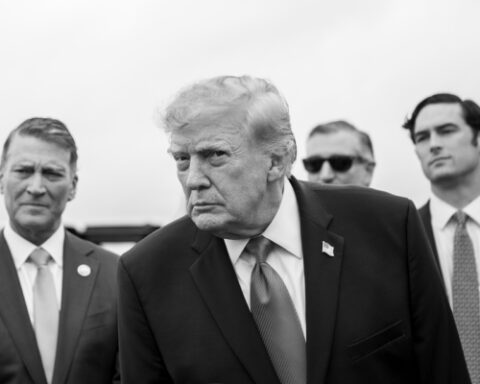
Despite the rising tensions, President Donald Trump struck an optimistic tone early Monday morning. Posting on Truth Social around 1:00 a.m., Trump suggested that negotiations remain alive and argued that Iran is still interested in reaching an agreement.
“Iran really wants to make a deal,” Trump wrote, while also criticizing opponents of the ongoing talks and suggesting their actions could jeopardize a potential resolution.
“Just sit back and relax, it will all work out well in the end – It always does! President DJT,” he added.
The latest developments arrive at a critical moment in efforts to bring an end to the conflict. Over the weekend, Trump reportedly reviewed a preliminary agreement negotiated between Washington and Tehran. According to Axios, the president added amendments to the proposal on Friday before sending it back to Iranian negotiators for consideration.
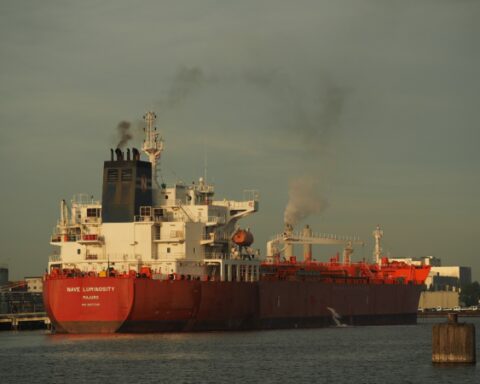
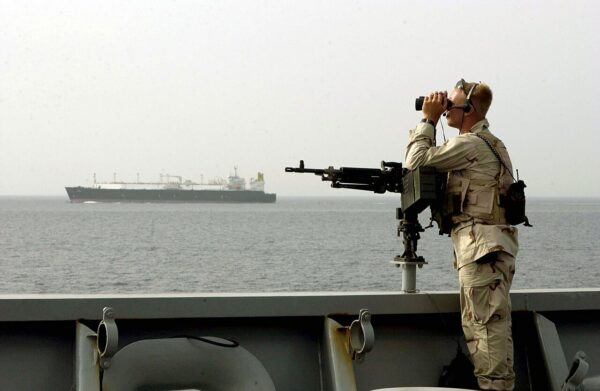
Meanwhile, Trump also announced Friday that he was ending the U.S. naval blockade in the Strait of Hormuz. In a Truth Social post, he said vessels caught in the waterway could begin the process of “heading home.”
The blockade had been established to prevent Iranian vessels, as well as ships transporting Iranian oil, from transiting the narrow passageway.
Iran’s threat to close the Strait and suspend indirect communications with Washington now casts fresh uncertainty over those diplomatic efforts. As negotiations continue alongside military actions on multiple fronts, the latest dispute underscores how quickly hopes for peace can be tested when conflicts expand beyond their original battlegrounds.