
The New York Times reported Saturday that the Trump administration issued a previously undisclosed subpoena to one of its freelance reporters as part of an investigation tied to reporting on a failed top-secret mission in North Korea.
According to the newspaper, freelance reporter Matthew Cole was served with the subpoena at his home in New York by agents with the Federal Bureau of Investigation. The subpoena, issued by federal prosecutors in Virginia, seeks information related to Cole’s reporting, including two years’ worth of contacts and sources.
The subpoena had not been publicly disclosed before the Times reported on it.
Cole’s attorney, David A. O’Neil, sharply criticized the move, arguing that the reporter’s work serves an important public purpose by exposing government misconduct and informing Americans about the actions of their government.
“Cole has dedicated his professional life to bringing official misconduct to light and informing the public about the workings of its government,” O’Neil said in a statement.
The attorney also vowed to challenge the subpoena, saying his client would continue to defend both press freedom and the First Amendment.
“He will not be intimidated from continuing that important work. He will defend press freedom and the First Amendment from this administration’s brazen attacks on journalists, and he will honor his commitment to his sources,” O’Neil added.
The newly revealed subpoena comes after the Trump administration recently drew widespread attention for issuing subpoenas to four New York Times journalists over reporting involving security issues surrounding the new Air Force One.
According to the Times, investigators also sought access to the phone records of those reporters as well as records belonging to some of their relatives.
The Justice Department ultimately withdrew the subpoenas that had been issued to reporters Julian E. Barnes, Eric Lipton and Eric Schmitt.
During those proceedings, U.S. District Judge Arun Subramanian questioned the government’s handling of the case. The judge pressed government attorneys and raised concerns over whether prosecutors had followed the legal standards required before subpoenaing members of the press.
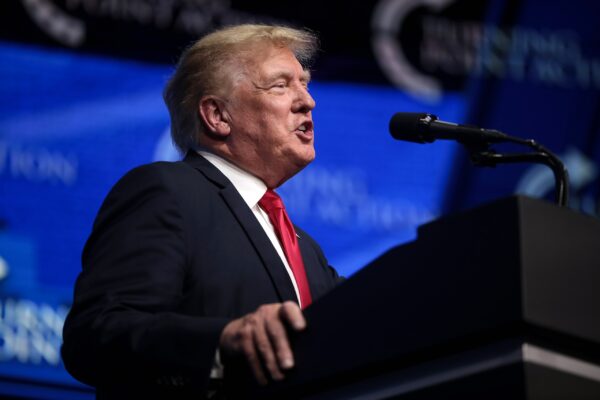
President Donald Trump has maintained that the administration’s focus was not on journalists themselves but on identifying individuals responsible for leaking sensitive government information.
Speaking to reporters earlier this month, Trump said the investigations were aimed at finding those who disclosed classified or sensitive information rather than targeting reporters.
“We’re not after journalists. We’re after leakers,” Trump said.
The president also acknowledged uncertainty over the legal boundaries involved in such investigations, saying he did not “know what’s appropriate and what’s not.”
Trump went on to describe the individuals responsible for unauthorized disclosures in harsh terms, arguing that they posed a threat to national security.
“We’re after people that are cowards, people that are unpatriotic, people that are treasonous, in many cases, and the way you find them is through the journalists,” Trump said. “If it’s something having to do with national security, you tell the journalist, ‘Who is it?’ and we have a long way to go with that case.”
The latest subpoena involving Cole adds to the ongoing legal dispute over the administration’s efforts to investigate national security leaks while news organizations continue to argue that compelling reporters to reveal confidential sources threatens longstanding protections for press freedom.