
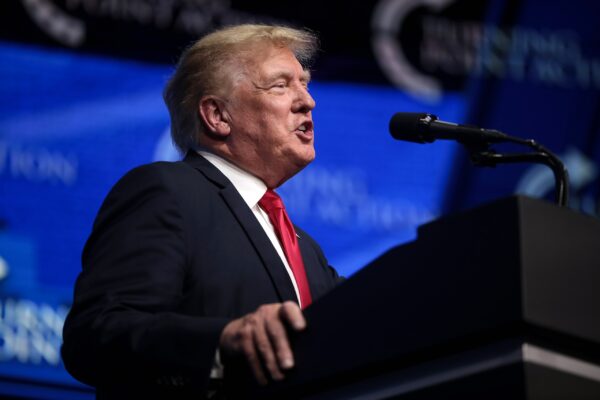
Donald Trump said Friday that his administration is still weighing a potential deal to keep Spirit Airlines afloat, even as reports suggest the low-cost carrier is nearing a shutdown amid mounting financial pressure.
The uncertainty follows a turbulent week for Spirit. According to The Wall Street Journal, the airline had been in discussions with the Trump administration over a proposed $500 million bailout that would have given the federal government a significant ownership stake. Spirit, known for its budget fares, has been hit especially hard by rising fuel costs tied to the ongoing war in Iran, placing intense strain on its operations.
But by Friday morning, the outlook had worsened. A follow-up report indicated that the proposed deal had fallen apart, with internal disagreements within the administration over whether and how to fund the bailout. At the same time, not all of Spirit’s bondholders supported the arrangement, further complicating efforts to reach a resolution.
Without government support, the airline appears to be running out of options. The report said Spirit is now preparing to liquidate its aircraft fleet and move toward shutting down entirely, though the exact timeline remains unclear. The situation underscores how quickly economic pressures—particularly rising fuel costs—can ripple through key industries.
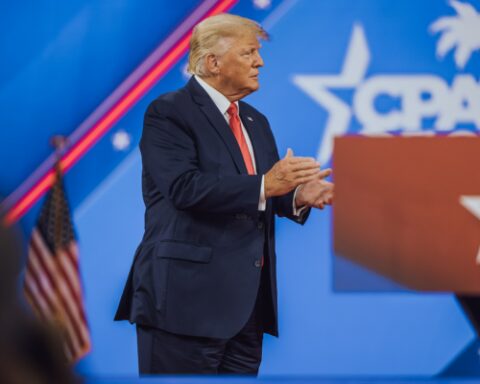
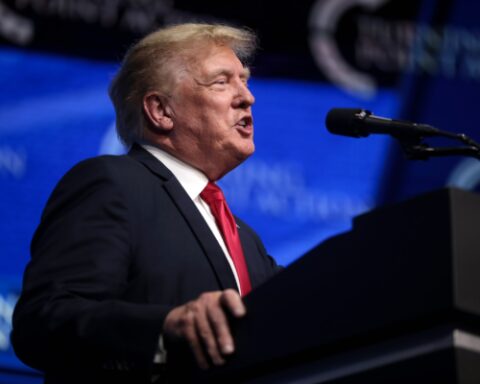
Speaking to reporters later in the day, Trump acknowledged the stakes involved but stopped short of committing to a final decision. He emphasized that while the administration is not eager to intervene, the potential loss of jobs is a major factor under consideration.
“We’re looking at trying to help them,” Trump said. “Something we’re not looking to get involved with, but if we can, it’s 14,000 jobs.”
The president suggested that a decision could come quickly, possibly within a day, but indicated that the outcome remains uncertain. His comments reflected a balancing act between avoiding government intervention and addressing the economic fallout of a major corporate collapse.
When pressed about concerns from other lenders—particularly reports that they were resisting a deal that would prioritize Spirit over existing creditors—Trump confirmed that the government’s interests would take precedence.
“Well, they will,” he said, referring to lenders potentially being pushed down in priority. “We come first… USA first, America first.”
Trump pointed to a previous deal involving Intel as an example of how government intervention can yield long-term benefits, though he acknowledged that the situation with Spirit is different. Still, he made clear that any action would be guided by what he views as national interest.
The broader backdrop to Spirit’s financial troubles highlights the economic impact of global conflicts, even far from the battlefield. Rising fuel prices linked to the Iran war have added significant costs for airlines, squeezing margins and accelerating financial distress for already vulnerable companies.
While the administration continues to weigh its options, the fate of Spirit Airlines remains uncertain. The decision will not only determine the future of one carrier but could also signal how far the government is willing to go to stabilize industries facing pressure tied to international tensions—and whether such interventions can offset the deeper economic consequences that often accompany prolonged conflict.