
In the wake of Saturday’s alarming assassination attempt against President Donald Trump, voices on Fox News are forcefully rejecting what they describe as baseless conspiracy theories—while also urging the country to take a hard look at how it protects its leaders in an increasingly volatile climate.
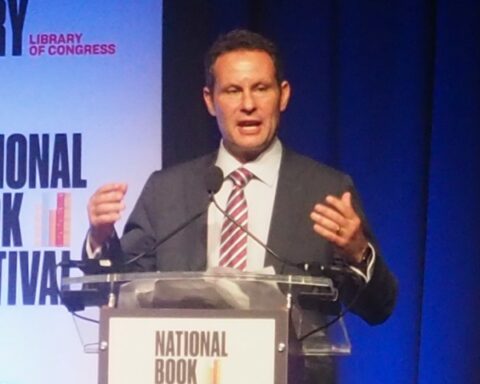
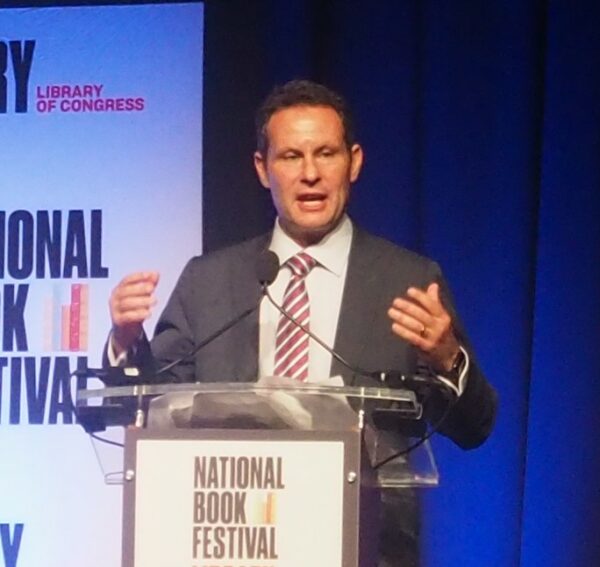
During Monday’s broadcast of Fox & Friends, host Brian Kilmeade criticized claims circulating online that the attack had been “staged” to boost the president’s approval ratings. The speculation, which gained traction on social media shortly after the incident, has drawn sharp condemnation from the network’s hosts.
“I love the fact the president started giving the facts out,” Kilmeade said, suggesting that transparency may help counter misinformation. Still, he acknowledged that conspiracy theories can be difficult to extinguish once they take hold. He pointed to the sudden emergence of claims questioning whether the attack was orchestrated, calling attention to how quickly such narratives spread in moments of national tension.
Co-host Lawrence Jones responded bluntly to the idea, calling it “unbelievable.” According to a report from The New York Times, the term “staged” surged online, with hundreds of thousands of posts appearing within hours. The report noted that some theorists framed the incident as a distraction from polling concerns or broader geopolitical developments, including the ongoing war with Iran.
But while the hosts dismissed those claims outright, they did not shy away from raising concerns about security gaps exposed by the incident. Jones emphasized that while long-term infrastructure proposals—such as a White House ballroom—might improve safety in the future, immediate steps are needed to secure events that take place outside federal buildings.
He noted that not all gatherings attended by the president or Cabinet officials are government-run, pointing specifically to the Correspondents’ Dinner as a privately organized event. That reality, he argued, complicates the security landscape and raises difficult questions about how far federal protection should extend.
“Can we only protect federal buildings at this point?” Jones asked, expressing frustration with what he يرى as a broader failure to adapt to evolving threats. His remarks reflected a concern that the current approach may not be keeping pace with the risks facing public officials.
Co-host Ainsley Earhardt echoed the need for stronger safeguards, even if they come with inconvenience. She drew a comparison to the heightened security measures implemented after the September 11 attacks, noting how air travel changed dramatically in the years that followed.
From restrictions on liquids to more intensive screening procedures, those changes have become a routine part of American life. While often frustrating, Earhardt argued, they serve a clear purpose: preventing tragedy.
“Yes, it’s a pain,” she said, referencing the burdens of modern airport security. “But is it worth it? Yes.”
The broader message from the panel was clear. While conspiracy theories may dominate online chatter, the more pressing issue lies in confronting real vulnerabilities. The challenge moving forward will be finding ways to strengthen security without allowing fear or reactionary measures to fundamentally reshape public life.
At a time when political tensions remain high and threats appear persistent, the conversation underscores a difficult balance—protecting leadership while preserving the openness that defines the country.