
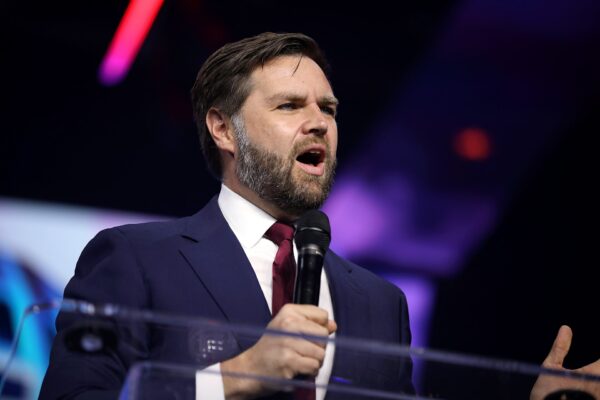
Vice President JD Vance says he has no concerns that President Donald Trump will pin responsibility on him if the administration’s developing agreement with Iran ultimately falls apart.
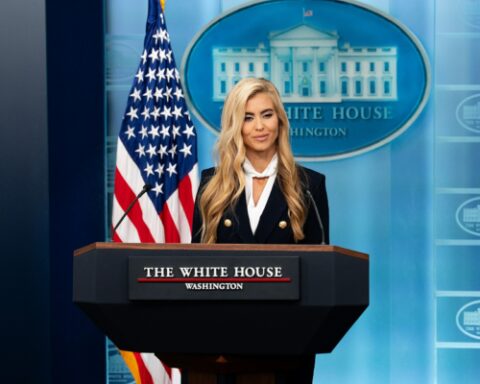
Speaking to reporters during a White House press briefing on Thursday, Vance laughed off suggestions that he could become the administration’s scapegoat should negotiations fail, dismissing recent comments from Trump as nothing more than a joke.
“No, not at all,” Vance said when asked whether he was worried the president might make him the fall guy if the deal does not succeed.
“I think the president was joking as he often does,” he added.
The remarks came one day after Trump signed a preliminary agreement with Iran while in France, marking a significant step in an ongoing diplomatic effort that now enters a new phase of negotiations. While supporters of the agreement argue it could open a path toward resolving long-running tensions, critics remain skeptical about whether Tehran can be trusted to follow through on its commitments.
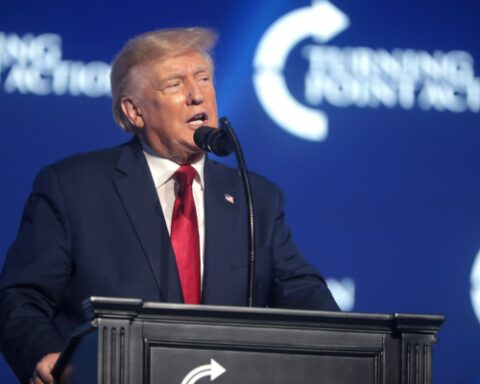
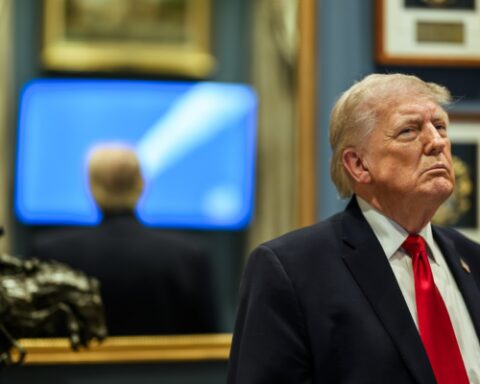
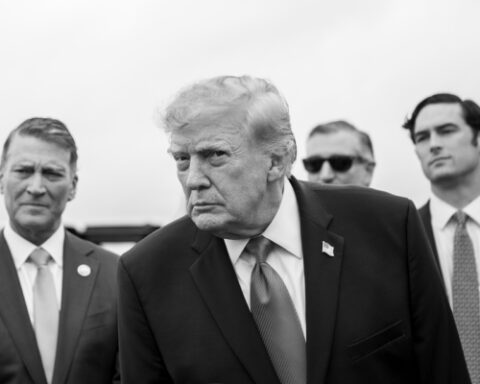
Trump’s joking comments were delivered Wednesday during the Group of Seven summit, where he highlighted Vance’s role as the administration’s lead negotiator in discussions with Iran.
“If it works out, I’m going to take the credit,” Trump said. “If it doesn’t work out, I’m blaming JD.”
The president continued the joke by warning Vance, “You better be careful, JD. He’s going to turn his plane around and get the hell out of here.”
The exchange underscored Vance’s growing visibility as one of the administration’s most prominent advocates for the negotiations. In recent weeks, the vice president has become the public face of the administration’s outreach effort, conducting numerous media appearances to explain and defend the agreement.
Those appearances have coincided with a nationwide promotional tour for his latest book, Communion: Finding My Way Back to Faith, putting Vance in front of television audiences and reporters at a moment when questions about the Iran agreement continue to dominate political discussion.
Vance’s involvement in the negotiations stretches back months. In April, he led the U.S. delegation to Islamabad for talks with Iranian representatives, placing him at the center of one of the administration’s most significant foreign policy initiatives.
Now, with the memorandum of understanding signed, the next chapter of negotiations is set to begin.
The vice president is scheduled to travel to Lucerne, Switzerland, where the United States and Iran will enter a 60-day negotiating period aimed at reaching a broader nuclear agreement. The talks are expected to determine whether the preliminary framework can be transformed into a more comprehensive deal.
The administration has repeatedly argued that diplomacy offers an opportunity to secure American interests while avoiding further escalation. At the same time, the stakes remain high, as the success or failure of the negotiations could have major implications for the region and for the administration’s foreign policy record.
For his part, Vance appears unfazed by either the political pressure or the president’s joking remarks. Rather than distancing himself from the effort, he has continued to embrace a leading role in promoting the agreement and defending its objectives.
Whether the negotiations ultimately succeed remains uncertain, but Vance made clear Thursday that he is not worried about becoming the target of blame if they do not. Instead, he portrayed Trump’s comments as a familiar example of the president’s humor and signaled that he remains fully committed to seeing the diplomatic process through over the coming weeks.
[READ MORE: Justice Department Moves to Challenge Evanston Reparations Program, Calls Race-Based Benefits Unconstitutional]