
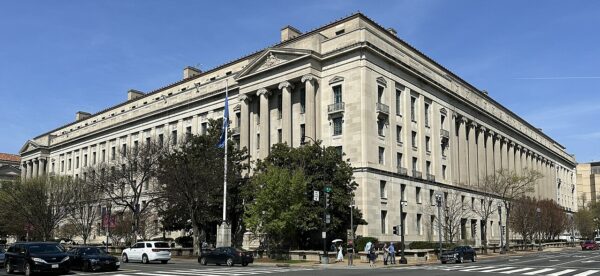
The Justice Department is stepping into a closely watched legal battle over a reparations program in Evanston, Illinois, arguing that the city’s housing assistance initiative violates federal law by distributing public benefits on the basis of race.
The dispute centers on what city officials have described as the nation’s first local reparations program. Established by the Evanston City Council in 2019, the initiative dedicated $10 million in revenue generated through cannabis sales taxes to address the effects of historic housing discrimination experienced by Black residents and their descendants.
The program, known as the Restorative Housing Program, was launched in 2021 and provides grants of up to $25,000. Eligible recipients may use the funds for a variety of housing-related purposes, including down payments on homes, property repairs, or the payment of interest and late penalties tied to property within the city.
Under the program’s guidelines, Black residents and their direct descendants who suffered housing discrimination due to Evanston’s policies and practices between 1919 and 1969 are eligible for assistance. Individuals who can demonstrate they were harmed by city policies after 1969, when Evanston formally banned housing discrimination, may also qualify.
The Justice Department, however, argues that the program runs afoul of constitutional and federal civil rights protections.
According to the department, the program violates both the Equal Protection Clause of the Fourteenth Amendment and the Fair Housing Act because it distributes public funds based solely on race and is not narrowly tailored to remedy specific, identified instances of discrimination.
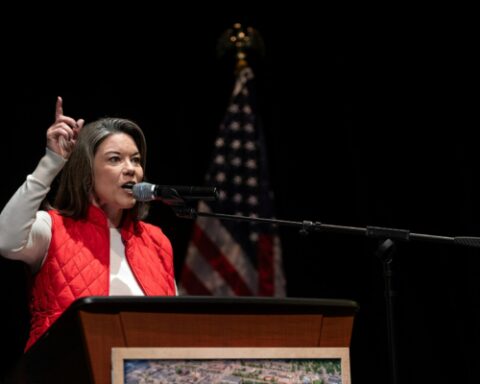
In a statement announcing the department’s position, Assistant Attorney General Harmeet K. Dhillon, who leads the Civil Rights Division, argued that governments have lawful options available when addressing historical inequities but said race-based financial distributions are not among them.
“There are sound ways for a city to remedy past discrimination or direct aid to its most vulnerable citizens and neighborhoods,” Dhillon said. “Simply handing out money based on race, however, is not the answer.”
She further described the program as race discrimination and argued that it violates federal law.
The legal challenge originated from a lawsuit filed in 2024 by a group of individuals whose ancestors lived in Evanston during the same historical period covered by the program but who do not identify as Black or African American.
The plaintiffs contend they were unlawfully excluded from receiving benefits despite their families also residing in the community during the years referenced by the city.
Earlier this year, a federal judge in Illinois rejected the city’s request to dismiss the lawsuit, allowing the case to proceed.
The Justice Department said it opened an investigation into the reparations program in March, the same month the court declined to dismiss the challenge. Federal officials also accused the city of refusing to cooperate with that investigation.
The move signals an escalation in the dispute and places the federal government directly into a case that could have broader implications for race-based government programs across the country.
Evanston officials, however, remain firmly committed to defending the initiative.
Mayor Daniel Biss responded Tuesday by saying the city is reviewing the Justice Department’s filing but remains confident in the legality of the program.
“We stand behind our first-in-the-nation reparations program, are confident in its constitutionality, and look forward to defending it in court,” Biss said in a statement to Evanston Now.
The case now sets the stage for a significant legal showdown over how governments may address historical discrimination while remaining within the boundaries of constitutional equal protection requirements. With both sides expressing confidence in their positions, the ultimate resolution is likely to come through the courts.
[READ MORE: Notorious Democrat Predicts Trump Will Leave Office Early as Democrats Eye Midterm Opportunities]