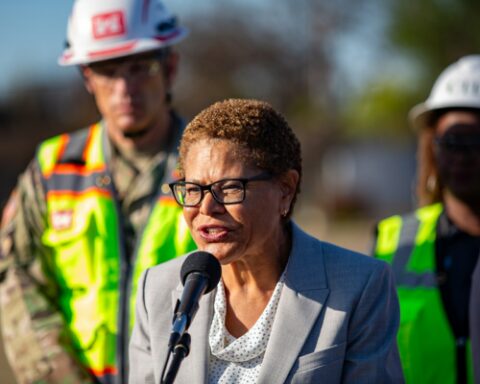

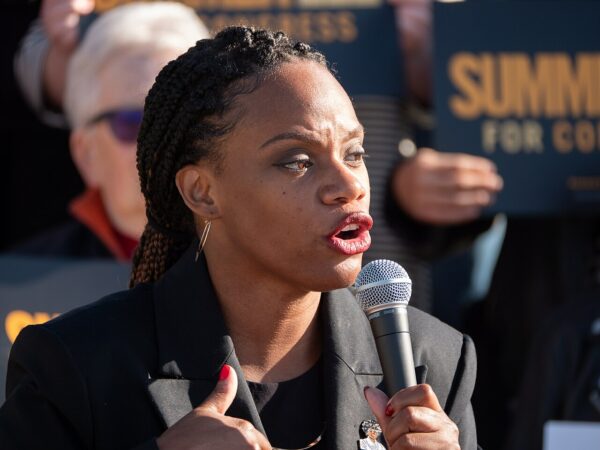
Rep. Summer Lee, a Pennsylvania Democrat and one of Congress’ most outspoken advocates for reparations, argued during a recent podcast appearance that many Black Americans could eventually disengage from the political process if they come to believe the federal government will never compensate descendants of enslaved people.
Speaking on the Native Land podcast on June 7, Lee defended her continued push for reparations and suggested that powerful interests in both politics and fundraising circles are standing in the way of those efforts.
According to Lee, many lawmakers receive support from donors who oppose reparations, creating resistance to proposals aimed at addressing what she views as a longstanding debt owed to Black Americans. Lee emphasized that she does not intend to abandon the issue despite the political challenges surrounding it.
“We fight for reparations because it’s owed us. It is owed us,” Lee said. “So we’re not going to back down on that, one way or another.”
The congresswoman made the remarks while discussing broader concerns about political participation and voter engagement. She argued that some Americans could lose faith in government institutions if they conclude that reparations will never become a reality.
Lee contended that discouragement over the issue could have consequences extending far beyond a single policy debate.
“They’re trying to disenfranchise you, because if you believe that you’re never gonna get reparations from this system, then you tap out,” Lee said.
“And you don’t just tap out of the conversation—you tap out of the system. You don’t want to vote anymore. You don’t participate anymore.”
Lee further argued that political disengagement can have ripple effects throughout government at every level, from federal offices to local elections.
“And they know that—that’s how they don’t just control Congress, that’s how they can get your school boards, your board of supervisors. They want us that far out of the system,” she added.
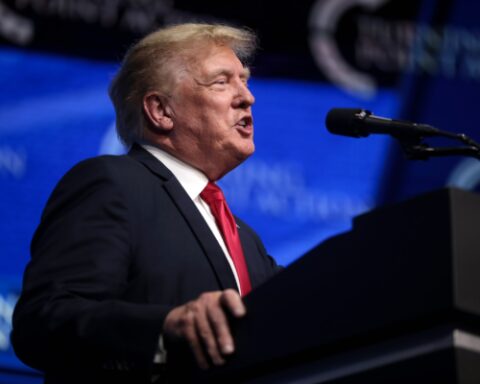
During the discussion, Lee also suggested that political leaders are willing to direct large sums of money toward other priorities rather than reparations. She referenced what appeared to be President Donald Trump’s proposed $1.8 billion weaponization fund, arguing that resources are available for some causes while reparations continue to face opposition.
The issue has been a central focus of Lee’s political career since her election to Congress in 2022. She has repeatedly described reparations as both a moral and legal responsibility of the federal government.
Last month, Lee introduced a resolution calling on Washington to provide reparations to descendants of enslaved Black families. According to a press release accompanying the measure, the proposal seeks to advance federal reparations efforts, support existing initiatives such as H.R. 40, and build momentum for related efforts at the state and local level.
The resolution itself does not specify a dollar amount or provide details regarding how reparations would be calculated or distributed.
Lee’s proposal has drawn support from several progressive lawmakers, including Rashida Tlaib and Ayanna Pressley, both of whom have backed reparations initiatives in Congress.
The debate over reparations remains one of the most contentious issues in American politics, touching on questions of history, government responsibility, and public spending. Lee’s latest comments underscore her belief that the issue is not only about compensation, but also about whether some voters continue to see a meaningful role for themselves within the political system if they believe their concerns are being ignored.
[READ MORE: Apache Helicopter Crash in Strait of Hormuz Highlights Risks as Trump Pushes for Iran Deal]