
Oil prices moved lower Thursday after reports indicated that the United States and Iran had reached a tentative agreement aimed at extending their ceasefire and reopening the strategically vital Strait of Hormuz, offering a potential sign of relief for global energy markets strained by months of conflict.
International benchmark Brent crude traded at roughly $94 per barrel Thursday afternoon, down from approximately $96 per barrel earlier in the day before news of the reported agreement surfaced. U.S. benchmark West Texas Intermediate crude also declined, falling to around $89 per barrel from roughly $91 per barrel earlier in the session.
According to reports, U.S. and Iranian officials have reached a tentative 60-day memorandum of understanding designed to maintain the ceasefire and potentially restore access through the Strait of Hormuz. However, the agreement has not yet received final approval from President Donald Trump, according to U.S. sources cited Thursday. Axios first reported details of the proposed arrangement.
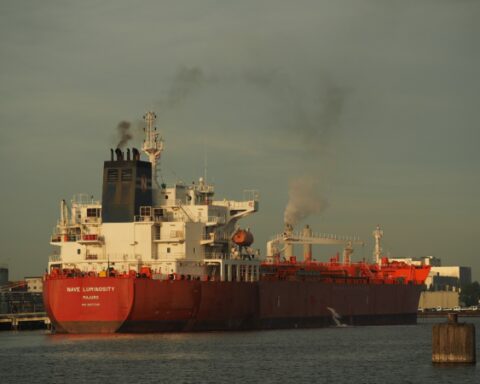
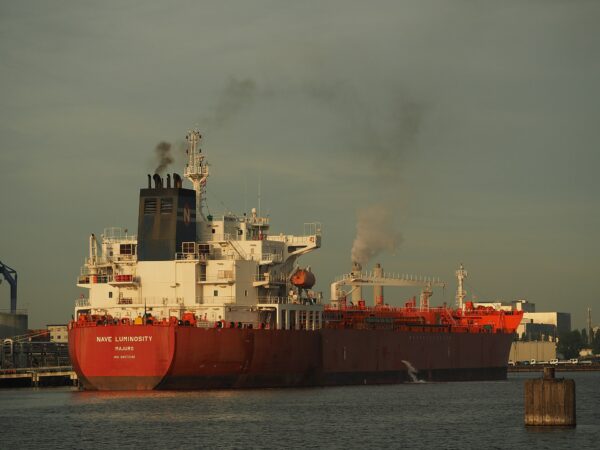
Energy markets have remained on edge since the beginning of the U.S.-Iran war, which contributed to the effective closure of the Strait of Hormuz. The narrow waterway serves as one of the world’s most important energy chokepoints, carrying approximately 20 percent of global oil consumption under normal circumstances. Any disruption to shipping through the strait has immediate implications for oil supplies, energy prices, and consumers around the world.
The prospect of reopening the passage appeared to reassure traders, helping push crude prices lower. Even so, oil remains elevated compared to levels seen before the conflict, reflecting continued uncertainty surrounding the region and the durability of any potential agreement.
While reports of a ceasefire extension were welcomed by markets, the Trump administration also signaled that it intends to maintain pressure against any efforts to establish a tolling system for ships traveling through the strait.
Treasury Secretary Scott Bessent issued a pointed warning, particularly directed at Oman, regarding any involvement in such arrangements.
“Oman, in particular, should know that the U.S. Treasury will aggressively target any actors involved — directly or indirectly — in facilitating tolls for the Strait and any willing partners will be penalized,” Bessent wrote in a post on the social platform X.
The statement underscores Washington’s continued focus on ensuring that access through the waterway remains free from new financial barriers, even as negotiations appear to be moving forward.
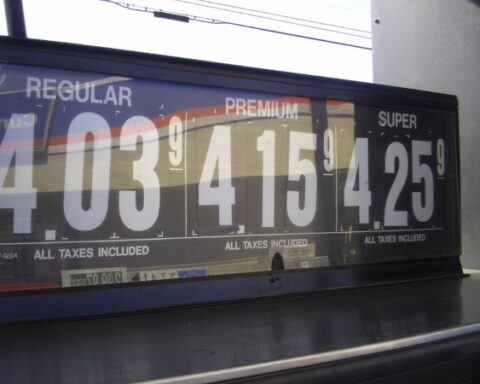
The movement in oil prices also carries significant political implications at home. Elevated crude prices have translated into higher gasoline costs for American consumers, creating a source of pressure for the Trump administration and Republican candidates ahead of this year’s midterm elections.
For many voters, fuel prices remain one of the most visible measures of economic conditions. As a result, any development that could help stabilize energy markets and reduce pressure at the pump is likely to receive close attention from both policymakers and the public.
Although a final agreement has yet to be approved, Thursday’s decline in oil prices reflected cautious optimism that diplomacy may help ease tensions in a region where prolonged conflict has carried substantial economic consequences far beyond the battlefield
[READ MORE: Maryland Gun Ban Sparks Immediate Legal Firestorm As Second Amendment Groups Push Back]