
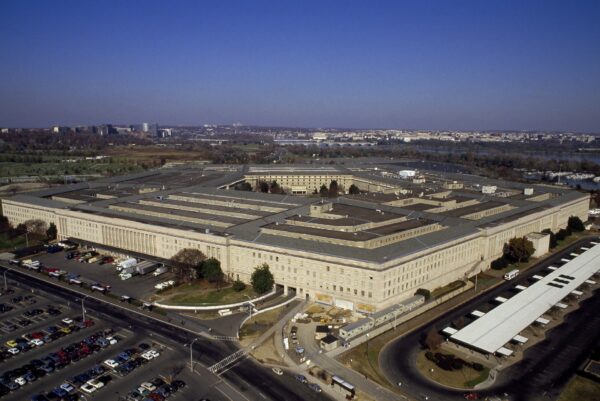
The Pentagon is accelerating the deployment of thousands of Marines and sailors to the Middle East, a move that comes as speculation builds over whether the Trump administration could expand its military campaign against Iran beyond air and naval operations.
According to multiple reports, the 11th Marine Expeditionary Unit (MEU), consisting of at least 2,200 Marines, departed San Diego earlier this week aboard the amphibious assault ship USS Boxer—roughly three weeks ahead of schedule. The expedited timeline has raised fresh questions about the scope and direction of the ongoing conflict.
Officials have remained tight-lipped. A Pentagon spokesperson declined to discuss specific troop movements, citing operational security, while U.S. Central Command similarly refused to comment on force posture outside its active area of operations.
The Boxer deployment follows closely on the heels of another major movement. Less than a week earlier, approximately 2,200 Marines and sailors from the 31st MEU departed aboard the USS Tripoli, a Japan-based amphibious assault ship. Satellite imagery showed the Tripoli and its escort vessels traveling across the South China Sea earlier this month, signaling a coordinated buildup of forces in the region.
If both ships reach the Gulf, they would join an already significant U.S. presence, including the USS Abraham Lincoln carrier strike group, which has been actively involved in the bombing campaign against Iran. Another carrier, the USS Gerald R. Ford, had been operating in the area but is now heading to Crete for repairs following a fire onboard.
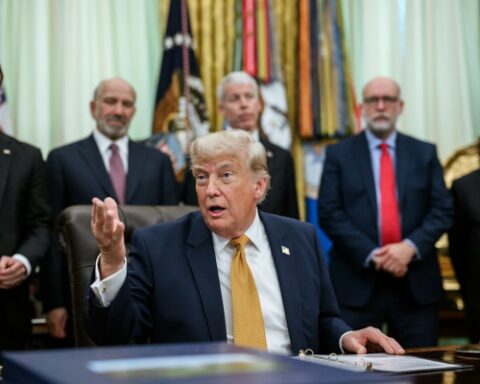
The deployments come at a time when President Donald Trump has publicly downplayed the possibility of additional troop commitments. When asked Thursday whether more U.S. forces would be sent to the region, Trump responded, “No, I’m not putting troops anywhere,” before adding that if such a decision were made, it likely would not be announced in advance. He also emphasized that the United States would take whatever steps are necessary to keep oil prices under control.
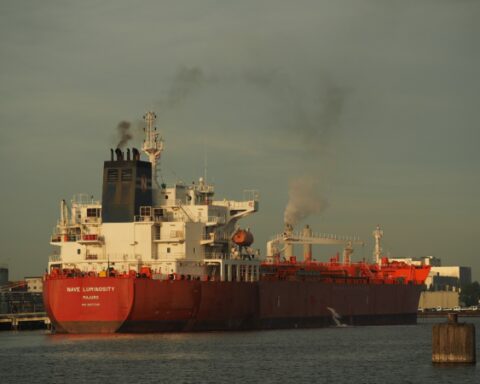
Still, the growing military footprint suggests that options remain on the table. Administration officials are reportedly considering a mission to secure safe passage for oil tankers through the Strait of Hormuz, a critical shipping route that has been effectively shut down by Iran since the conflict began on Feb. 28. Ensuring the flow of energy supplies has become a central concern as global markets react to the disruption.
Another possibility under discussion involves deploying ground forces to Iran’s Kharg Island, a key oil export hub responsible for handling the vast majority of the country’s crude shipments. While no final decision has been announced, the mere consideration of such a move signals how quickly the conflict could escalate.
The human cost of the war is also becoming clearer. At least 13 U.S. service members have been killed and around 200 wounded since the start of hostilities, underscoring the risks involved even in what has largely been framed as a limited campaign.
At the same time, uncertainty is growing over how long the conflict will last. The administration initially suggested operations could wrap up within four to five weeks, but recent developments have cast doubt on that timeline. On Thursday, Trump confirmed that the White House plans to request $200 billion in supplemental funding from Congress to support the military effort—a figure that points to a potentially longer and more complex engagement.
As additional forces move into position, the situation highlights a familiar challenge: military buildups intended to stabilize a region can just as easily signal a widening mission. While officials continue to emphasize strategic goals, the scale and pace of deployments suggest that the path forward may be less predictable than originally envisioned.