

Joe Kent, the former director of the National Counterterrorism Center, is reportedly under FBI investigation over allegations that he may have improperly shared classified information—an unfolding situation that comes just as his abrupt resignation and public criticism of the Iran war continue to ripple through Washington.
Kent’s departure on Tuesday immediately drew attention across the political landscape. In a resignation letter posted online, he broke with the Trump administration’s position on the conflict, arguing that Iran did not pose an “imminent threat” to the United States. That assessment directly contradicts the administration’s justification for the war, which has consistently emphasized the presence of a credible threat.
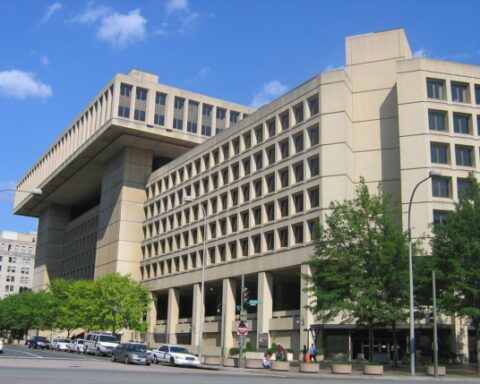
By Wednesday night, a report revealed that federal investigators had already been examining Kent’s conduct. According to multiple sources with direct knowledge of the matter, the FBI’s inquiry is focused on whether Kent improperly disclosed classified information. The investigation, notably, is said to have been underway for months before his resignation became public.
The timing of these developments has added a new layer of complexity to an already contentious debate. Kent’s public statements—both in his resignation letter and in subsequent remarks—have raised questions about how intelligence assessments are interpreted and presented in the lead-up to military action.
In his letter, Kent not only disputed the immediacy of the threat from Iran, but also suggested that the decision to go to war was influenced by “pressure from Israel.” Those claims place him at odds with the administration at a moment when officials are emphasizing unity and resolve in the face of an ongoing conflict.
Just hours before news of the investigation surfaced, Kent appeared in an interview with Tucker Carlson, where he reiterated his skepticism. He said Iran was not on the verge of acquiring a nuclear weapon and again pointed to what he described as external pressure shaping U.S. involvement.
The overlap between Kent’s criticism and the reported investigation is likely to intensify scrutiny from both sides. Supporters of the administration may view the probe as a necessary step to protect sensitive information during a time of war, when leaks can carry serious consequences. Others, however, may see Kent’s comments as part of a broader internal disagreement over the rationale and direction of the conflict.
At its core, the situation highlights a recurring tension in national security circles: the balance between maintaining discipline and confidentiality, and allowing space for dissenting views—especially when those views challenge the basis for military engagement.
The fact that the investigation predates Kent’s resignation suggests that the inquiry is not solely tied to his recent public statements. Still, the convergence of events has placed him squarely in the spotlight, raising questions not only about his actions, but also about the broader decision-making process surrounding the war.
As the conflict with Iran continues, the stakes of that debate remain high. While the administration maintains that the threat was real and required action, Kent’s assertions point to a different interpretation—one that underscores how even within the national security apparatus, there can be sharply divergent views.
For now, the FBI investigation is ongoing, and its outcome remains uncertain. But the episode serves as a reminder that in times of conflict, disagreements over intelligence and strategy do not simply disappear. Instead, they often surface in ways that challenge both policymakers and the public to weigh the costs, the risks, and the reasoning behind decisions that carry far-reaching consequences.