
Despite aggressive pressure from the Trump administration to rein in prescription drug costs, the prices of at least 350 medications in the United States are expected to increase in 2026, according to a new analysis that highlights the stubborn realities of the pharmaceutical market.
Data from health care research firm 3 Axis Advisors, first reported by Reuters, show that more drugs are slated for price hikes next year than in 2025, when more than 250 medications were projected to see increases. The median price hike is expected to be around 4 percent, underscoring ongoing cost pressures for patients and insurers alike.
The projections come even as President Donald Trump has touted major wins in forcing drugmakers to offer more competitive pricing under his administration’s “most favored nation” policy. This year, the White House successfully compelled more than a dozen pharmaceutical companies to agree to sell certain drugs at the lowest price they offer anywhere in the world and to expand direct-to-consumer purchasing options.
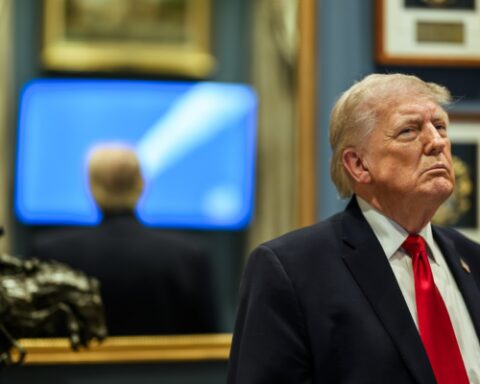
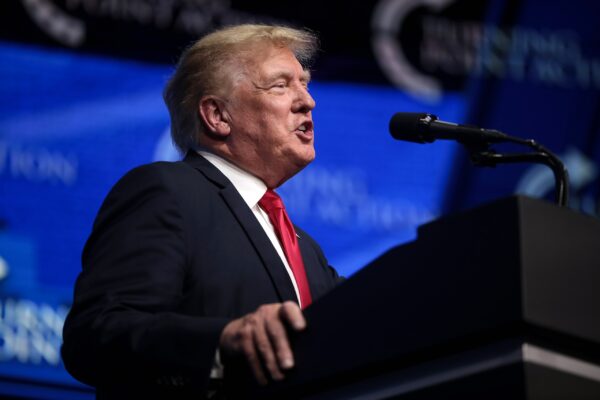
Those agreements followed months of pressure, including the threat of tariffs that could have cut into drugmakers’ profits. Trump described the outcome as a historic breakthrough when announcing that nine additional companies had signed on. “This represents the greatest victory for patient affordability in the history of American health care, by far,” Trump said during an Oval Office press conference earlier this month.
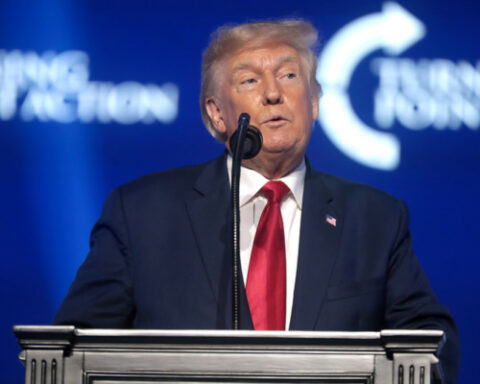
Trump acknowledged that negotiations with the industry were not easy but praised the companies for ultimately agreeing to the policy. “The pharmaceutical companies were difficult, but they also love our country,” he said. “They knew it was unfair, but they were great.”
A new direct-to-consumer platform called TrumpRx is expected to launch in early 2026, allowing Americans to buy certain medications more directly, potentially bypassing middlemen who often drive up costs. Supporters of the policy say the move could inject long-overdue competition into the drug market.
Still, the new analysis suggests that the impact may be limited, at least in the near term. Several of the medications expected to rise in price next year are produced by companies that have already agreed to Trump’s MFN policy, including Pfizer and GSK.
Reuters noted that the price increases projected by 3 Axis Advisors do not factor in rebates paid to pharmacy benefit managers or other behind-the-scenes discounts that can affect what patients ultimately pay. Even so, list price hikes often translate into higher out-of-pocket costs for consumers, particularly those with high-deductible plans.
Another key limitation is that the Trump administration’s pricing deals apply primarily to the Medicaid program. Most Americans receive coverage through commercial health plans, where the MFN agreements may have less direct impact. Medicaid already guarantees access to the lowest price offered to any commercial payer, meaning MFN pricing may not significantly change what many Medicaid patients pay.
Some analysts have criticized the MFN approach as insufficient to tackle the underlying causes of high drug prices. The Centre for Economic Policy Research has argued that patent monopolies are the primary driver of soaring costs, a problem that MFN pricing and voluntary negotiations do not directly address.
Even so, Trump’s supporters argue that his administration has done more than any before it to confront the pharmaceutical industry head-on. While the projected price hikes show the challenge is far from over, the White House maintains that forcing transparency, threatening tariffs, and opening the door to direct purchasing are steps toward long-term relief.
As 2026 approaches, Americans are likely to see a mixed picture: some savings driven by new policies, alongside continued increases that reflect the entrenched power of the drug industry and the limits of reform.