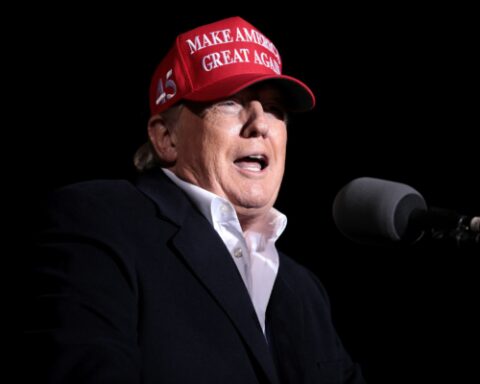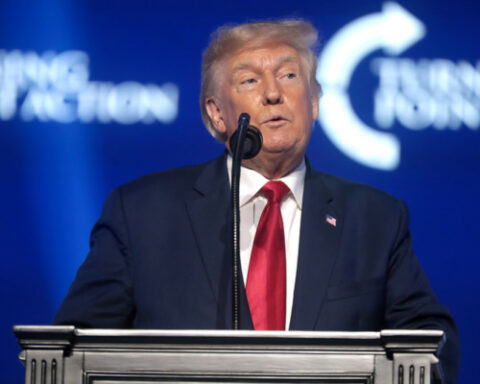

President Donald Trump on Monday defended his administration’s approach to the ongoing conflict with Iran, while also offering a candid—and controversial—glimpse into what he says he would prefer to do if public opinion were not a constraint.
Speaking to reporters during the White House Easter Egg Roll, Trump was asked how he responds to Americans who are uneasy about the war. The president dismissed those concerns, framing the conflict as a necessary step to prevent Iran from obtaining a nuclear weapon.
“They’re foolish because the war is about one thing: Iran cannot have a nuclear weapon,” Trump said, pointing back to his decision to exit the Iran nuclear deal during his first term. He argued that remaining in the agreement would have led to catastrophic consequences in the region, including severe threats to Israel and broader instability across the Middle East.
Trump described his withdrawal from the deal as a critical first step in confronting Iran, suggesting that earlier action had already changed the trajectory of the situation. But his remarks quickly turned to the present conflict, where he indicated that military pressure is continuing in an effort to force Iran to concede.
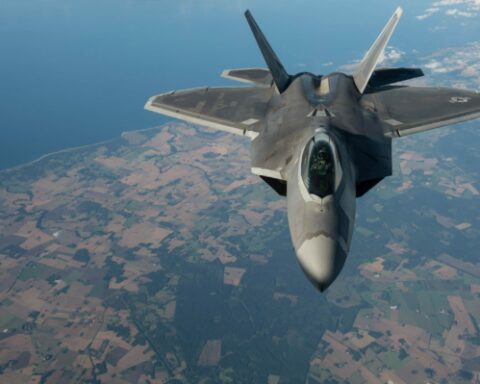
“I hate to do it, but we’re obliterating,” the president said, adding that Iran has so far refused to back down. He warned that if Tehran does not yield, the country could face significant damage to key infrastructure, including bridges and power plants. Trump hinted there could be even more severe consequences, though he declined to elaborate.
In a striking moment of candor, the president also acknowledged that his preferred outcome would go beyond military objectives. He said that if it were solely his decision, he would seek to take control of Iran’s oil resources, arguing that doing so could generate substantial economic benefits for the United States.
“If I had my choice, what would I like to do? Take the oil,” Trump said. “Because it’s there for the taking. There’s not a thing they can do about it.”
He added that such a move could also, in his view, improve conditions for the Iranian people, whom he described as having suffered under their government. Trump referenced reports of tens of thousands of protesters being killed, contrasting that with American values.
Still, the president acknowledged a significant obstacle: public opinion at home. He noted that many Americans would prefer to see U.S. involvement come to an end rather than expand further.
“Unfortunately, the American people would like to see us come home,” Trump said, suggesting that domestic sentiment is limiting the scope of his actions.
That tension—between an aggressive strategy abroad and growing reluctance at home—appears to be shaping the administration’s approach. Trump emphasized that he ultimately wants to keep the American public satisfied, even if that means holding back from actions he believes could deliver strategic or economic gains.
“I also want to make the people of our country happy,” he said. “I think most people wouldn’t understand that.”
The remarks highlight the broader debate now unfolding over the purpose and limits of U.S. involvement in Iran. While the administration continues to frame its actions as essential to national security, questions remain about how far the conflict could go—and whether the costs, both human and economic, will outweigh the goals being pursued.
[READ MORE: Trump Issues Stark Ultimatum on Strait of Hormuz as Tensions with Iran Escalate]