
President Donald Trump delivered a forceful warning to Iran early Sunday, threatening potential strikes on key infrastructure if the Strait of Hormuz is not reopened by Tuesday, underscoring the growing urgency surrounding a conflict that is already rattling global markets.
In a sharply worded Truth Social post, Trump demanded that Iran restore access to the strategic waterway, a vital passage through which a significant share of the world’s oil supply flows. The president made clear that continued closure of the strait would trigger a direct response, including possible attacks on bridges and electric power facilities.
“Tuesday will be Power Plant Day, and Bridge Day, all wrapped up in one, in Iran,” Trump wrote, coupling the warning with emphatic language that reflected both frustration and resolve. He urged Iranian leaders to act immediately, warning of severe consequences if the situation is not reversed.
The president’s remarks come amid rising oil prices that have surged since the conflict began, placing pressure on economies and consumers. Trump has repeatedly tied the need to reopen the strait to stabilizing those prices, framing the issue not only as a geopolitical concern but also as an economic one with real-world consequences.
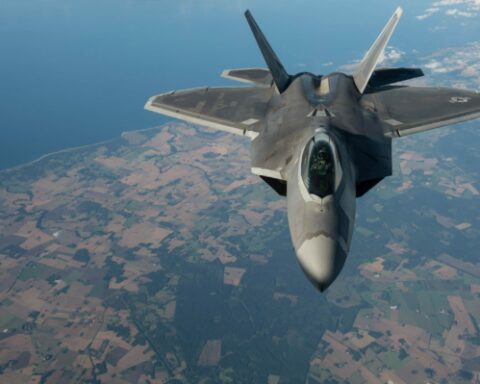
In recent days, Trump has doubled down on his messaging, openly signaling that civilian infrastructure could be targeted if Iran does not comply. In a prior post, he emphasized the strength of the U.S. military and suggested that operations thus far represent only a fraction of its potential capabilities.
“Our Military, the greatest and most powerful (by far!) anywhere in the World, hasn’t even started destroying what’s left in Iran,” Trump wrote Thursday. He went on to outline possible next targets, stating, “Bridges next, then Electric Power Plants,” while asserting that Iran’s leadership understands what must be done and must act quickly.
Supporters of the administration’s approach may view the rhetoric as a necessary show of strength aimed at forcing a swift resolution. However, the focus on infrastructure tied to civilian life has also sparked concern among legal experts and observers wary of escalation.
A group of 100 international law experts issued a warning in a letter published by Just Security, cautioning that attacks on objects essential to civilian survival could violate international law. According to the group, such actions, if carried out, could rise to the level of war crimes.
Their warning highlights the legal and moral complexities that often accompany modern conflicts, particularly when economic pressure and military strategy begin to overlap. While reopening a critical global shipping route remains a clear objective, the methods proposed raise difficult questions about proportionality and the potential impact on civilian populations.
As the Tuesday deadline approaches, the situation remains tense and uncertain. Trump’s ultimatum signals a determination to act decisively, but it also reflects the broader risks of escalation in a region where each move carries significant consequences.
[READ MORE: Rogan Pushes Back After Critics Question Story About Kirk Assassination]