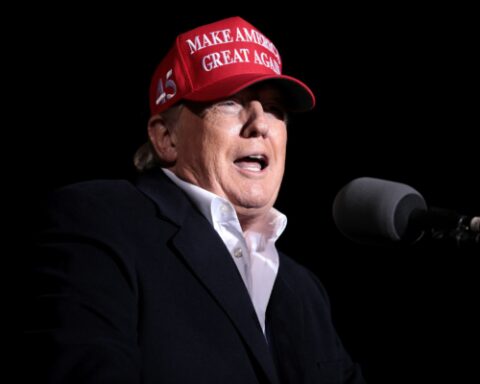

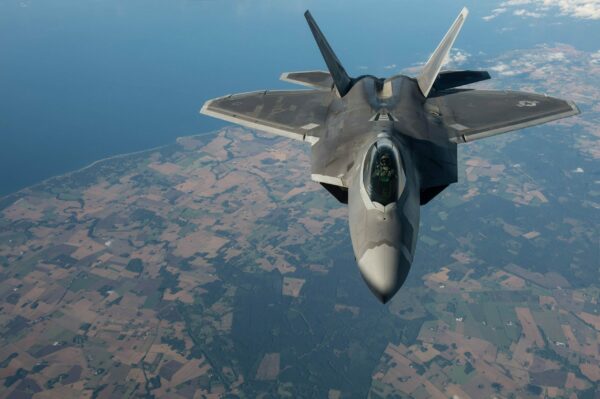
President Donald Trump is now reportedly warning that the United States could dramatically expand its military campaign against Iran, raising the possibility of strikes on major infrastructure as he pushes Tehran to agree to a deal “FAST.”
In a late Thursday post on Truth Social, Trump suggested that key national assets could soon become targets, signaling a significant escalation in the ongoing conflict. He pointed to bridges and electric power plants as potential next steps, emphasizing that U.S. military capabilities remain far from fully deployed.
“Our Military, the greatest and most powerful (by far!) anywhere in the World, hasn’t even started destroying what’s left in Iran,” Trump wrote. “Bridges next, then Electric Power Plants! New Regime leadership knows what has to be done, and has to be done, FAST!”
The remarks come as U.S. and Israeli forces continue a sustained bombing campaign against Iran, now entering its fifth week. The administration has framed the pressure campaign as a means of forcing Tehran back to the negotiating table, but the increasingly forceful rhetoric underscores how quickly the situation could intensify.
According to Axios, U.S. defense officials have described at least one planned strike on a bridge as a tactical move aimed at disrupting the movement of military equipment. By targeting transportation routes, officials argue, the goal is to limit the regime’s ability to reposition weapons and sustain operations.
Still, the prospect of hitting broader infrastructure raises serious legal and humanitarian questions. As noted by Politico, the Geneva Conventions prohibit attacks on infrastructure considered indispensable to the survival of the civilian population. Facilities such as power grids and transportation networks can fall into that category, depending on how they are used and the impact on civilians.
That tension—between military objectives and civilian risk—has long defined modern warfare, and it is once again front and center as the conflict drags on. While the administration has emphasized strength and deterrence, the implications of expanding strikes to critical infrastructure could prove far-reaching.
The latest developments also come amid growing frustration over Iran’s grip on the Strait of Hormuz, a vital artery for global oil shipments. Restrictions and instability in the region have rattled markets and contributed to rising energy prices, adding economic pressure far beyond the immediate theater of conflict.
For the White House, the strategy appears aimed at maximizing leverage: intensify pressure, limit the opponent’s options, and force a resolution on favorable terms. Yet history has shown that such escalations can carry unintended consequences, particularly when critical infrastructure and civilian systems are involved.
As the president calls for swift action from Iran’s leadership, the broader picture remains uncertain. The military campaign continues, the economic ripple effects are already being felt, and the line between strategic pressure and deeper entanglement grows increasingly thin.
Even as officials insist that a deal is within reach, the path forward suggests that the cost of getting there—both abroad and at home—may continue to rise alongside the stakes.