
A heated on-air confrontation between conservative radio host Mark Levin and former Trump administration official Joe Kent is shedding light on growing divisions within Republican circles over the ongoing war in Iran—divisions that are becoming increasingly difficult to ignore.
Kent, who resigned last week as director of the National Counterterrorism Center, has emerged as a sharp critic of the administration’s approach. In his resignation letter, he argued that Iran “posed no imminent threat” to the United States, directly challenging the justification offered for the U.S. and Israeli strikes that began on Feb. 28.
“I pray that you will reflect upon what we are doing in Iran, and who we are doing it for,” Kent wrote to President Donald Trump. He urged the president to reconsider the current course, warning that the nation could either change direction or “slip further toward decline and chaos.”
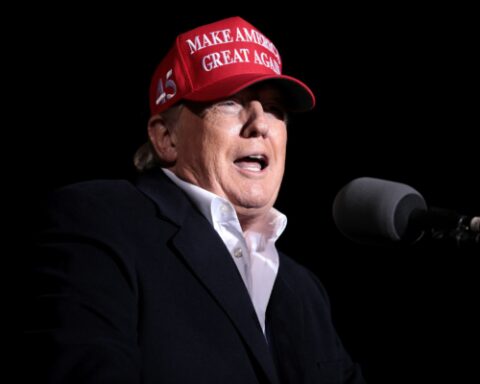
Those remarks sparked a strong response from Trump, who publicly criticized Kent as “weak” and raised personal questions about his remarriage following the death of his wife, a U.S. Navy intelligence officer killed in Syria. The situation escalated further after a report surfaced alleging Kent is under federal investigation for potentially sharing classified information—an accusation he firmly denied during his appearance on The Mark Levin Show.
What followed was a tense and at times combative exchange that quickly moved beyond policy disagreements and into a broader dispute over influence, messaging, and responsibility for the war itself.
Kent suggested that the administration’s original position—focused on preventing Iran from acquiring nuclear weapons—shifted under pressure from what he described as a “media echo chamber” that pushed for more aggressive measures, including regime change. He argued that this shift contributed to the escalation that ultimately led to military action.
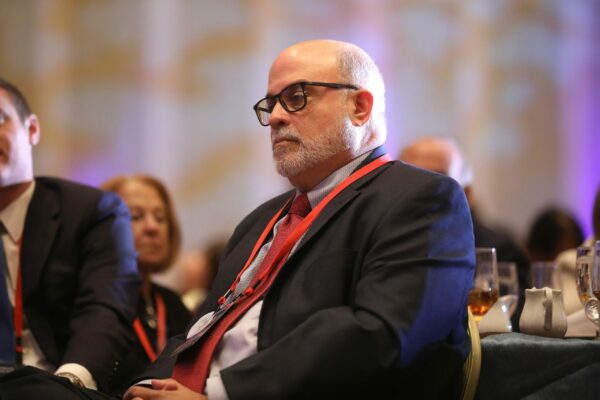
Levin, a longtime advocate of a tougher stance on Iran, pushed back forcefully. Interrupting Kent mid-sentence, the host dismissed the accusation and rejected the idea that he had played any role in influencing the president’s decision-making.
The exchange quickly grew more pointed. Kent countered that Levin’s platform itself could serve as a form of lobbying, suggesting that the reach of his show carries significant influence. Levin rejected that claim outright, calling it “ridiculous” and insisting he had not lobbied the president, aside from a single meeting at Trump’s request.
As both men spoke over each other, the conversation reflected a deeper divide within the conservative movement—one that pits those who see the conflict as a necessary assertion of strength against those who question whether the costs and rationale have been fully justified.
Kent’s criticism stands out in part because of his background within the administration, giving his words added weight among those already uneasy about the trajectory of the conflict. At the same time, Levin’s response underscores the continued support among some conservatives for a hardline approach.
The clash highlights a broader reality: even within a party that has largely rallied behind Trump, there is growing tension over how far the United States should go in conflicts abroad. While some argue that decisive action is essential to protect American interests, others are raising concerns about the long-term consequences of military escalation.
As the war in Iran continues, the debate is no longer confined to private discussions or policy memos. It is playing out in public, in real time, with voices on both sides warning of what is at stake—not only for the outcome of the conflict, but for the direction of U.S. policy moving forward.