
Florida voters could soon be given the power to decide the future of property tax cuts across the state, as a sweeping proposal gains momentum in Tallahassee and appears likely to land on the 2026 ballot.
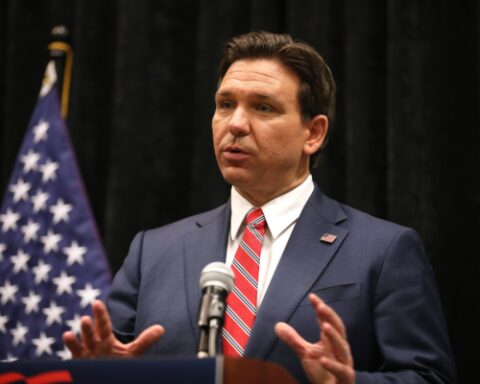
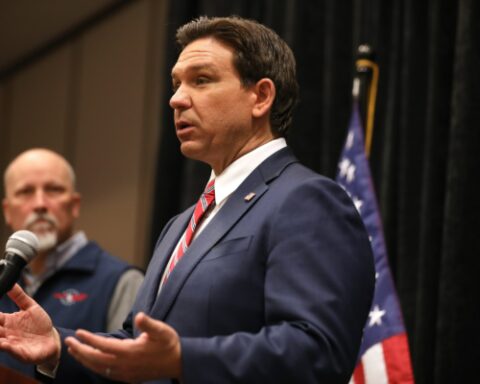
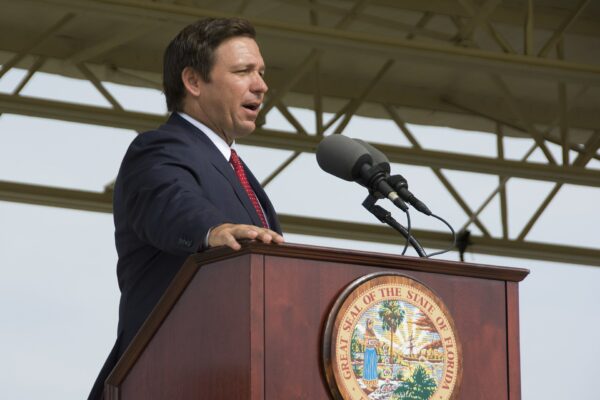
Gov. Ron DeSantis has thrown his support behind a plan aimed at delivering long-term property tax relief, a move that aligns with his broader push to rein in government spending and provide financial relief to homeowners. The proposal recently cleared a key hurdle when the House State Affairs Committee approved a plan to significantly expand the state’s homestead exemption.
Under the House proposal, the homestead exemption would increase by $100,000 each year for the next decade. Supporters say the goal is straightforward: gradually eliminate non-school property taxes entirely by 2037, giving homeowners lasting relief while forcing local governments to reassess how they spend taxpayer dollars.
The plan has energized fiscal conservatives who argue that property taxes have become an ever-growing burden on families already struggling with rising costs. Advocates say Florida residents deserve more control over how much of their income is siphoned off by local governments, particularly as housing costs continue to climb.
Chief Financial Officer Blaise Ingoglia has emerged as one of the proposal’s most outspoken backers. Ingoglia framed the issue as a matter of accountability, arguing that local governments have relied too heavily on taxpayers rather than tightening their own belts.
“Taxpayers are sick and tired of their local governments taxing and spending, crying poor, saying they don’t have the money and then come back to you as an endless ATM asking for more, more, more,” Ingoglia said. His remarks reflect a broader frustration among voters who feel local governments have failed to prioritize efficiency while continually demanding additional revenue.
That frustration has become a driving force behind the proposal’s growing support. Proponents argue that forcing a conversation about property tax reductions will also force a long-overdue conversation about local government spending habits, priorities, and accountability.
While the House has moved decisively, the Senate has yet to settle on its own version of property tax reform. Lawmakers there are still weighing options, and discussions are expected to continue beyond the current legislative session. Much of the hesitation centers on how cities and counties would adjust if a major revenue stream is phased out over time.
Local governments are already assessing what such changes could mean for their budgets, particularly as they balance infrastructure needs, public safety, and other services. Supporters of the proposal counter that a decade-long phase-in provides ample time for adjustment and encourages smarter budgeting rather than reflexive tax hikes.
If lawmakers ultimately agree to place the measure before voters, Floridians would have the final say on one of the most consequential tax changes in the state’s history. Backers argue that letting voters decide is appropriate, given the direct impact property taxes have on homeowners and families.
For DeSantis and other supporters, the proposal fits squarely within a broader conservative vision: limiting the size and scope of government, empowering taxpayers, and ensuring that Florida remains a state where families can afford to live and own property.
As the debate continues, one thing is clear: property taxes are shaping up to be a central issue heading into 2026, with Florida voters potentially poised to deliver a decisive verdict on how much power local governments should have over their wallets.