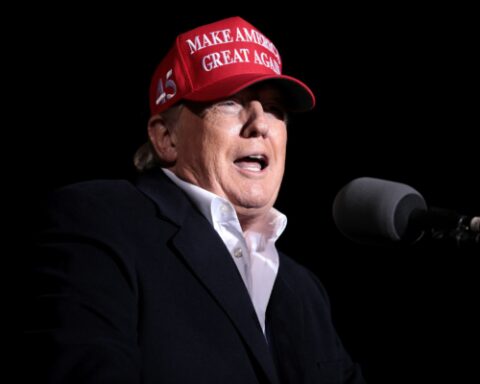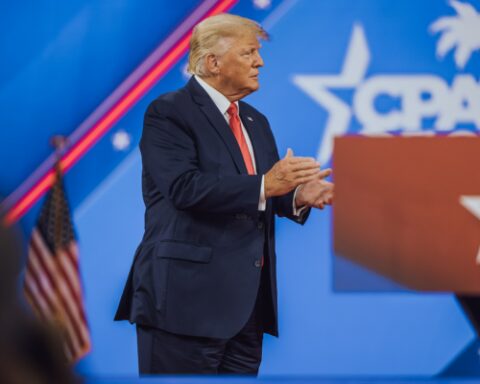

President Donald Trump suggested the United States could remain in effective control of Venezuela for years, signaling an open-ended American role while declining to spell out what circumstances might lead to U.S. troops being deployed.
In a wide-ranging interview with The New York Times conducted Wednesday in the Oval Office, Trump deliberately left the duration of U.S. oversight of Venezuela undefined. Asked how long Washington intends to run the country and oversee its oil sector, the president offered a vague response.
“Only time will tell,” Trump said.
When pressed on whether that meant a matter of months or a year, Trump made clear he was thinking far beyond the near term. “I would say much longer,” he added, reinforcing the notion that the administration is not placing firm limits on its involvement.
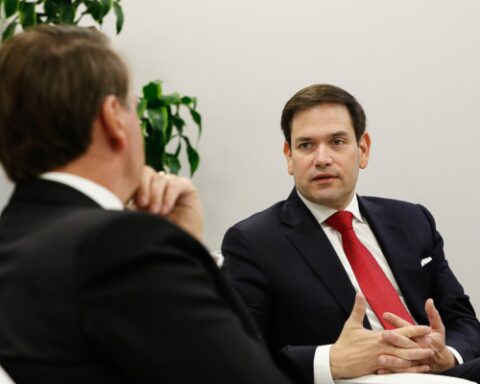
The comments come as the administration moves to assume control of selling Venezuela’s oil, part of a multi-phase plan outlined this week to members of Congress by Secretary of State Marco Rubio. The effort reflects a major shift in U.S. policy toward Venezuela and places energy resources at the center of Washington’s strategy.
Throughout the interview, Trump reportedly framed the operation as both an economic and strategic reset, repeatedly returning to the issue of oil. He argued that U.S. involvement would allow Venezuela’s energy sector to be rebuilt in a way that benefits both sides.
“We will rebuild it in a very profitable way,” Trump said. “We’re going to be using oil, and we’re going to be taking oil.” He maintained that such an arrangement would help drive down global oil prices while also delivering badly needed cash to Venezuela.
Despite repeated questioning, Trump declined to say what might prompt him to put American forces on the ground. Times reporters asked whether U.S. troops would be sent in if Venezuela blocked American access to oil or refused to expel Russian and Chinese personnel. Each time, the president refused to provide specifics.
“I wouldn’t want to tell you that,” Trump said. “I really wouldn’t want to tell you that.” His refusal to outline red lines left the administration’s military posture intentionally opaque.
Trump also sidestepped questions about why his administration chose to recognize Delcy Rodríguez, the former vice president under Nicolás Maduro, as Venezuela’s new leader. He did not explain why the U.S. opted against backing Nobel Prize-winning opposition figure María Corina Machado or election winner Edmundo González. Instead, Trump emphasized the cooperation his administration is receiving from figures connected to the old regime.
“They’re giving us everything that we feel is necessary,” Trump said, suggesting that practical cooperation has taken precedence.
The interview briefly paused when Trump took a phone call from Colombian President Gustavo Petro, days after the president threatened action over Colombia’s role in the cocaine trade.
Taken together, Trump’s remarks paint a picture of an administration prepared for a potentially long-term role in Venezuela, centered on oil and economic leverage, while keeping its military intentions and exit strategy deliberately undefined.
[READ MORE: DeSantis Moves to Redraw Florida Congressional Map, Calls Special Session Ahead of Midterms]